
Does Homeowners Insurance Cover Roof Leaks?
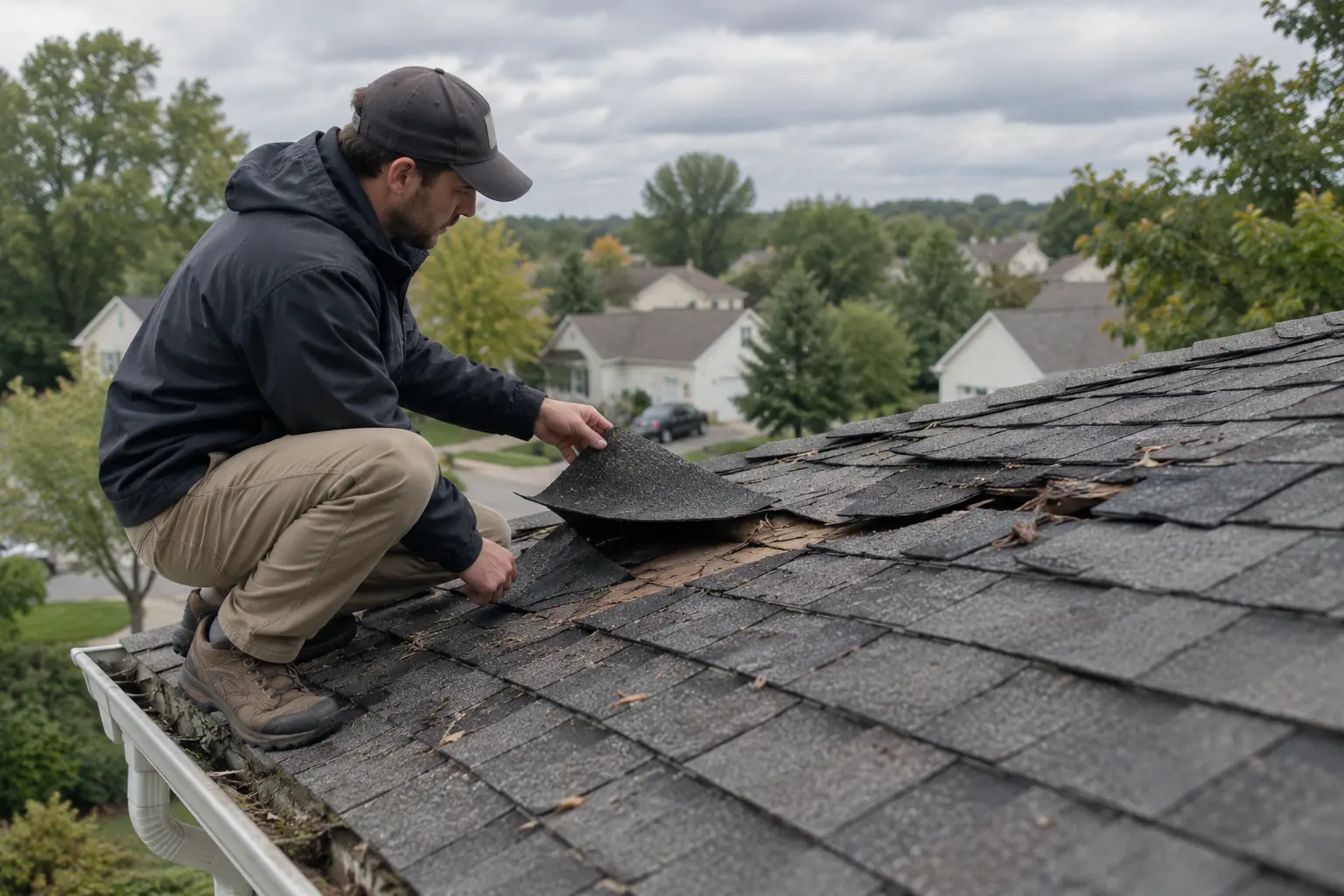
Whether a roof leak is covered generally depends on what caused the damage. Source: AI-generated image
In some cases, yes – but coverage primarily depends on what caused the damage, not simply on the fact that the roof is leaking. If the roof was suddenly and accidentally damaged by a covered peril, homeowners insurance may cover the damage. However, problems caused by normal wear and tear, the age of the roof, poor maintenance, or gradual deterioration are generally not covered.
If covered roof damage allows water to enter the home, the policy may also cover certain damage to the home’s interior and personal belongings. Any potential payout depends on the terms of the policy, including the deductible, coverage limits, and how the damage is valued.
To determine whether a specific roof leak may be covered, you need to identify the cause of the damage and review your homeowners policy, including any applicable exclusions and limitations.
Key Takeaways
- Homeowners insurance may cover a roof leak when it results from sudden damage caused by a covered peril, such as wind, hail, or a fallen tree.
- Roof leaks caused by normal wear and tear, poor maintenance, or gradual deterioration are generally not covered.
- Coverage for the roof itself and water damage inside the home may be evaluated separately.
- An older roof is not automatically excluded from coverage, but its age and condition may affect how a covered claim is valued.
- The amount insurance may pay depends on the policy, including the deductible, coverage limits, and whether the loss is settled using RCV or ACV.
When Does Homeowners Insurance Cover Roof Leaks?
Homeowners insurance may cover a roof leak when the damage is caused by a covered peril – an event that is covered under the terms of the policy. The cause of the damage matters: sudden roof damage is generally treated differently from problems that develop gradually over time.
Common situations in which coverage may apply include:
| Cause of Roof Leak | Usually Covered? | Notes |
|---|---|---|
| Wind or storm damage | May be covered | Strong winds or storms can damage shingles, flashing, and other roofing materials, potentially causing a leak. Some policies and states may have specific conditions or exclusions for wind damage. |
| Hail damage | May be covered | Hail can damage roofing materials and lead to leaks. Some policies have a separate deductible for wind and hail damage. |
| Fallen tree or branch | May be covered | If a tree or large branch falls on the roof as a result of a covered event and causes damage, the loss may be covered. Specific coverage depends on the policy. |
| Fire | May be covered | Roof damage caused by fire may be covered if fire is a covered peril under the policy. |
| Weight of snow or ice | May be covered | The weight of snow or ice can damage roofing materials or the roof structure. Coverage depends on the policy and the circumstances of the loss. |
| Lightning | May be covered | If lightning directly damages the roof or causes an event that results in roof damage, coverage may apply under the terms of the policy. |
| Vandalism | May be covered | Intentional roof damage caused by a third party may be covered if vandalism is a covered peril and no exclusion applies. |
The phrase “may be covered” is important. Even when a type of event is generally covered, the outcome of a roof leak insurance claim depends on the specific homeowners policy, applicable exclusions, and the circumstances of the damage.
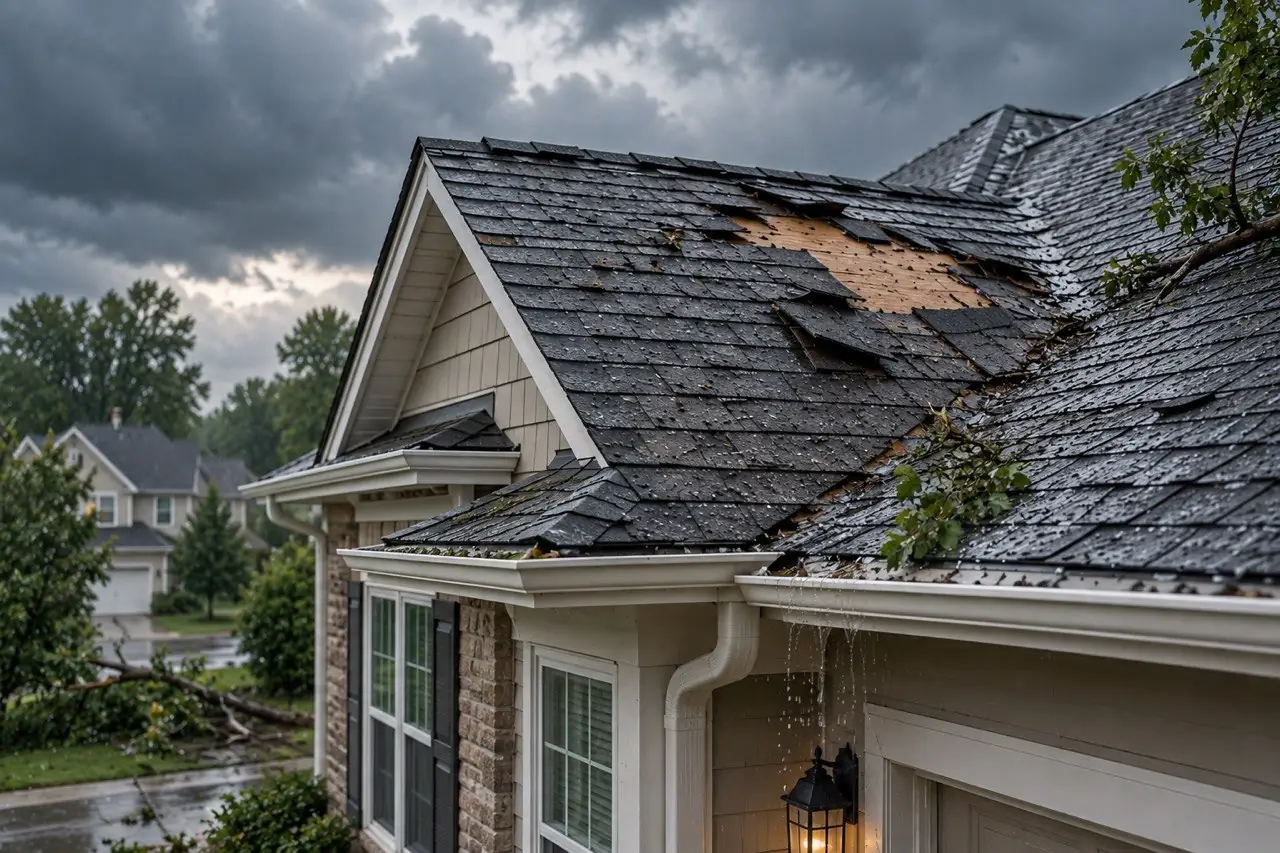
Roof damage after a severe storm can lead to leaks and interior water damage. Source: AI-generated image
When Are Roof Leaks Not Covered by Homeowners Insurance?
Not every roof leak is covered by homeowners insurance. A standard policy is generally designed to protect against certain sudden and accidental events, rather than pay for damage caused by normal aging or a lack of maintenance. If the cause of the damage falls under a policy exclusion, a roof leak insurance claim may not be covered.
Common situations that may not be covered include:
| Cause of Roof Leak | Why It May Not Be Covered |
|---|---|
| Normal wear and tear | Roofing materials naturally deteriorate over time. Gradual wear is generally considered part of routine home maintenance rather than a sudden covered loss. |
| Poor maintenance or neglect | If a leak results from delayed repairs or inadequate roof maintenance, the insurer may deny coverage for the resulting damage. |
| Gradual deterioration | Damage that develops slowly – such as deterioration caused by long-term moisture exposure or aging materials – may be excluded because it is not considered a sudden covered loss. |
| Faulty workmanship or installation | Improper roof installation or defective materials may be subject to policy exclusions or limitations. In some cases, resulting damage may be treated differently, so the specific policy language matters. |
| Flood | A standard homeowners policy generally does not cover flood damage. Flood insurance is separate coverage, and the insurance definition of a flood is specific. |
| Earth movement | Earthquakes, landslides, and certain other types of ground movement may be excluded from standard homeowners coverage or require separate insurance, depending on the policy and location. |
| Other policy exclusions | A policy may include additional exclusions, limitations, or special conditions that apply to certain types of damage. Always review the specific terms of your policy. |
Ultimately, coverage depends on the terms of the specific homeowners policy. If the cause of the leak falls under an exclusion, the roof damage generally will not be covered. However, roof age is a separate issue: it may affect coverage terms and how a claim is valued, but it does not automatically mean a claim will be denied.
Make sure your homeowners coverage fits your needs before damage happens.
Does Homeowners Insurance Cover an Old or Leaking Roof?
The age of your roof alone does not automatically mean your insurance claim will be denied. However, roof age and overall condition can affect the terms of your policy and how the insurer evaluates the damage.
Roof age and condition can also affect how a covered loss is valued. For example, an older roof may be subject to Actual Cash Value (ACV), which takes depreciation into account, if that is provided for under the policy.
Does Homeowners Insurance Cover Water Damage From a Roof Leak?
In some cases, yes. If water enters your home because of roof damage that is itself covered by the policy, homeowners insurance may also cover certain resulting damage inside the home. However, coverage depends on the specific policy, applicable exclusions, and the circumstances of the loss.
It is important to distinguish between damage to the roof itself and resulting water damage. Even when the cost of repairing the roof is handled separately, water damage to covered property may be subject to its own coverage provisions.
Damage to the Home
Damage to the home’s structure and interior may fall under dwelling coverage. Depending on the policy, this can include damage to ceilings, drywall, walls, floors, and other parts of the building.
Damage to Personal Belongings
If water damages personal belongings such as furniture, electronics, or clothing, the loss may be covered under personal property coverage. As with damage to the home itself, coverage depends on the specific policy, including applicable exclusions and coverage limits.
For more information about other types of water-related losses, see our guide to homeowners insurance and water damage.
Does Homeowners Insurance Cover Mold From a Roof Leak?
Coverage for mold damage does not always follow the same rules as other types of damage caused by a roof leak. Depending on the policy, mold may be subject to separate exclusions, coverage limits, or additional requirements.
Some policies may provide limited coverage for mold or allow you to add coverage through a specific endorsement. If mold develops after a roof leak, check the part of your policy that addresses mold or fungi rather than assuming that all mold damage is automatically covered.
Does Homeowners Insurance Cover Roof Replacement?
In some cases, yes. If a roof is seriously damaged by a covered event, homeowners insurance may cover the cost of repairs or, when repair is not possible or practical, a full roof replacement – subject to the terms of the policy.
If the damage is limited to a specific area, only a roof repair may be needed rather than a full replacement. Whether the roof is repaired or replaced depends on the nature and extent of the damage, the condition of the roof, and the terms of the policy.
Homeowners insurance is not intended to replace a roof solely because it has reached the end of its useful life.
How Much Does Insurance Pay for Roof Damage or Replacement?
There is no single amount that homeowners insurance will pay for a damaged or replaced roof. The potential payout depends on the terms of the policy, the cost of repairs or replacement, how the damage is valued, the deductible, and the applicable coverage limits.
Replacement Cost Value vs. Actual Cash Value
One of the key factors is whether the policy covers the loss based on Replacement Cost Value (RCV) or Actual Cash Value (ACV).
| Method | How It Works |
|---|---|
| RCV | Covers the cost to repair or replace damaged property without deducting depreciation, subject to the terms and limits of the policy. |
| ACV | Takes depreciation – the loss in value due to age and wear – into account. As a result, the payout may be less than the cost of a new roof. |
The difference can be especially important for older roofs. With ACV coverage, the roof’s age and condition may significantly reduce the amount of the claim payment.
Deductibles and Coverage Limits
Even when damage is covered, the claim payment is generally reduced by the deductible – the amount you are responsible for paying before insurance coverage applies. The policy also has coverage limits, which set the maximum amount the insurer will pay for a covered loss.
For certain types of damage, including wind or hail, some policies may have a separate wind/hail deductible that differs from the standard deductible.
Ultimately, the amount you may receive depends not only on the cost of repairing or replacing the roof, but also on how the policy values the damage and the financial terms that apply to the claim.
The insurance payout for roof damage can depend on how the loss is assessed and the terms of your policy. Source: AI-generated image
Compare homeowners insurance options and find coverage that fits your needs.
Should You File a Roof Leak Insurance Claim?
Before filing a roof leak insurance claim, consider the cause and extent of the damage, the estimated repair cost, and your deductible. If the estimated repair cost is close to your deductible, it may be worth comparing the potential insurance payment with the cost of handling the repairs yourself. For more extensive damage, the potential benefit of filing a claim may be greater.
You should also consider your claims history. A history of previous claims may be taken into account when insurers assess risk and determine future policy terms. However, that does not mean every claim will automatically result in a higher premium.
What Should You Do When You Discover a Roof Leak?
If you discover a roof leak, act quickly to help prevent further damage:
- Stay safe. Do not climb onto a damaged or unstable roof yourself. If possible, safely limit the water entering the home.
- Document the damage. Take photos and videos of the leak, damaged areas of the roof, affected rooms, and damaged belongings.
- Prevent further damage. If necessary, make reasonable temporary repairs, but avoid major repairs before the damage has been assessed. Keep all receipts for necessary expenses.
- Preserve evidence. If it is safe to do so, do not throw away damaged materials or belongings that may be needed when evaluating your claim.
- Review your policy and contact your insurer. Check your homeowners policy and contact your insurance company or insurance agent to find out what steps to take next.
How to File a Roof Leak Insurance Claim
- 1Report the claim.
Contact your insurer and report the damage according to the procedure outlined in your policy.
- 2Provide documentation.
Submit photos, videos, repair estimates, and any other documents requested by the insurance company.
- 3Complete the inspection.
The insurer may arrange an inspection of the roof and other damaged areas with a claims adjuster.
- 4Review the damage.
Based on the inspection and the information provided, the insurer will assess the nature and extent of the damage and determine whether coverage applies.
- 5Receive the settlement.
If the claim is covered, the payment will be calculated according to the terms of the policy, including the applicable valuation method, deductible, and coverage limits.
How to Help Prevent Roof Leaks and Insurance Problems
Regular roof maintenance can help you catch problems early and keep a record of your home’s condition. To reduce the risk of leaks and potential insurance issues:
- Schedule regular roof inspections, especially after severe weather.
- Clean gutters and downspouts to help prevent water from accumulating around the roof.
- Check the condition of shingles, flashing, and other visible roofing components.
- Keep an eye on tree branches near your home and remove damaged or hazardous branches when needed.
- Maintain adequate attic ventilation to help reduce moisture buildup.
- Address necessary repairs promptly and keep maintenance records, invoices, and documentation of completed work.
Looking for homeowners insurance that fits your needs?
FAQ
Solar panels may be covered by homeowners insurance, but coverage depends on factors such as how the panels are installed, who owns them and the terms of the policy. If the panels are damaged by a covered event, the policy may provide coverage subject to its limits and exclusions. Leased or third-party-owned solar panels may be subject to different insurance arrangements.
Damage to gutters may be covered when it results from a covered event, depending on the policy. Because gutters are part of the home’s exterior, the applicable coverage and any exclusions can depend on how the damage occurred and the terms of the homeowners policy.
A detached garage is generally considered an other structure rather than part of the main dwelling. Damage to its roof may therefore be covered under the policy’s other structures coverage, subject to the applicable limits, exclusions and covered perils.
An insurance company may request a roof inspection, particularly when evaluating an older roof or assessing its condition for underwriting or renewal. Requirements vary by insurer and state, so homeowners should check what type of inspection or documentation their carrier requires.
An insurer may consider roof age and condition when deciding whether to renew a policy, but the rules governing nonrenewal vary by state. An older roof does not automatically mean that a policy will be nonrenewed. Depending on the situation, an insurer may instead request an inspection, change certain coverage terms or require repairs.
A new roof may affect homeowners insurance premiums because insurers can consider the roof’s age, condition, materials and resistance to certain risks when pricing coverage. Some insurers may also offer discounts for qualifying roof improvements, but a lower premium is not guaranteed.
It is generally a good idea to inform your insurer or agent when you replace your roof. The insurer may need updated information about the home’s condition, roof age and materials, and you may need documentation such as invoices, permits or contractor records. Updating this information can also help ensure that the policy reflects the current condition of the property.
A standard homeowners policy is generally designed for an owner-occupied residence and may not provide the appropriate coverage when a property is regularly rented to others. Rental properties may require a different type of policy, such as landlord or rental dwelling coverage, depending on how the property is used and the insurer’s requirements.
Bibliography
- https://www.iii.org/article/how-your-roof-influences-your-home-and-business-insurance
- https://content.naic.org/insurance-topics/homeowners-insurance
- https://content.naic.org/article/rebuilding-after-storm-know-difference-between-replacement-cost-and-actual-cash-value-when-it-comes
- https://content.naic.org/article/navigating-claims-process-recover-and-rebuild
- https://www.nerdwallet.com/insurance/homeowners/learn/does-homeowners-insurance-cover-roof-leaks
- https://www.geico.com/information/aboutinsurance/homeowners/does-homeowners-insurance-cover-roof-leaks/
- https://www.allstate.com/resources/home-insurance/roof-leaks-cover-damage
- https://www.nerdwallet.com/insurance/homeowners/learn/does-homeowners-insurance-cover-water-damage
- https://www.iii.org/article/coverage-for-renting-out-your-home